Arabic is written in its own alphabet, with letters, symbols, and orthographic conventions that do not have exact equivalents in the Latin alphabet.
This list contains transliterations of Arabic terms and phrases; variations exist, e.g. din instead of deen and aqidah instead of aqeedah. Most items in the list also contain their actual Arabic spelling.
The following list consists of notable concepts that are derived from both Islamic and Arab tradition, which are expressed as words in the Arabic language. The main purpose of this list is to disambiguate multiple spellings, to make note of spellings no longer in use for these concepts, to define the concept in one or two lines, to make it easy for one to find and pin down specific concepts, and to provide a guide to unique concepts of Islam all in one place.
A
ʿAbd (عبد) (for male) ʾAmah (أمة) (for female)
servant, worshipper, slave. Muslims consider themselves servants and slaves of God. Common Muslim names such as Abdullah (Servant of God), Abdul-Malik (Slave of the King), Abdur-Rahmān (Slave of the most Beneficent), Abdus-Salām (Slave of Peace), Abdur-Rahîm (Slave of the Merciful), all refer to names of Allah.
ʾAdab (أدب)
Traditionally describes good manners, as in etiquette. For example, being courteous is good ʾadab. However, the term can be used very broadly, and the proper translation would be "the proper way to go about something," as in the example, ʾĀdāb al Qitāl, or, "The Proper Ways of Fighting in War," (Qitāl in Arabic means mortal combat) in which the word "etiquette" does not befit the context. A secondary meaning of ʾAdab is "literature".
ʾAdhān (أذان)
call to salat (prayer), sometimes alternatively spelled and pronounced Azan, Athan and Adhan.
ʿAdl (عدل)
justice, especially distributive justice: social, economic, political, environmental.
AH (هجرية)
Anno Hegirae The Islamic calendar starts counting years starting from the time when Muhammad had to leave Mecca and go to Medina, an event known as the Hijra. The first day of the first Islamic year is 1 Muḥarram 1 (AH) and corresponds to 16 July 622 (CE).
ʾAḥad (أحد)
literally "one." Islamically, ahad means One Alone, unique, none like God. Al-Wahid is one of the names of God.
ʾAḥkām (أحكام)
rulings and orders of the Qu'ran and Sunnah. Five kinds of orders: Wajib, Mustahab, Muharram, Makruh, and Halal. Singular Ḥukm.
ʾAhl al-Bayt (أهل البيت )
members of Muhammad's Household. Also known among Shia as the Maʿṣūmūn (معصومون) (infallibles; spiritually pure).
ʾAhl al-Fatrah ( أهل الفترة)
people who live in ignorance of the teachings of a revealed religion, but according to the "Fitra", the "Natural Religion" innate to human nature as created by God.
ʾAhl al-Kitāb (أهل الكتاب )
"People of the Book", or followers of pre-Islamic monotheistic religions with some form of scripture believed to be of divine origin which were mentioned in Quran: Jews, Christians.
ʾĀkhirah (الآخرة)
hereafter or eternal life
ʾAkhlāq (أخلاق)
The practice of virtue. Morals.
Al-ʾIkhlāṣ (الإخلاص)- Sincerity
Genuineness in religious beliefs.
Al-Birr (ّالبر)
Piety and righteousness and every act of obedience to Allah.
ʿĀlamīn (عالمين)
Literally "worlds", humankind, jinn, angels and all that exists.
Al Hijr (Kaaba)
A semi-circular wall north-west of Kaaba.
ʿalayhi -s-salām (عليه السلام)
"Peace be upon him" This expression normally follows after naming a prophet (other than Muhammad), or one of the noble Angels (i.e. Jibreel[Gabriel], Mikaeel[Michael], etc.)
al-ḥamdu li-llāh (الحمد لله)
"Praise be to God!" Qur'anic exclamation and also same meaning as hallelujah.
Allāh (الله)
The Arabic name of God.
Allāhumma (اللَّهُمَّ)
"O God."
Allāhu ʾAkbar (الله أكبر)
"Allah is the Greatest." Islamic expression.
ʿĀlim (عالِم)
One who knows. A scholar (in any field of knowledge); a scientist (who knows science) or a theologian (who knows religion); similar to Japanese sensei, "teacher".
ʾAmānah (أمانة)
the trust. Of all creation, only human beings & jinns carry the "trust", which is free will.
ʾĀmīn (آمين)
Amen.
ʾAmīr ul-Muʾminīn (أمير المؤمنين)
In some countries like Morocco, a ʾAmīr ul-Muʾminīn or Commander of the faithful is the religious chief.
ʾĀminah (آمنة)
Muhammad's mother. Aminah fell sick and died in Abwa, near Madina (then Yathrib) when Muhammad was six years old.
Al-ʾAmr Bi'l Maʿrūf (الأمر بالمعروف)
Islamic doctrine of enjoining right. There exists in Islam the (obligatory) principle of encouraging other people to do the right thing.
ʾAnfāl (أنفال)
Spoils of war. (See Sūrat al-ʾAnfāl (8:1)) (سورة الأنفال)[1]
ʾAnṣār (أنصار)
"Helpers." The Muslim converts at Medina who helped the Muslims from Mecca after the Hijrah.
ʿAqīdah (عقيدة)
Article of faith, tenet, creed, or dogma.
ʿAqīqah (عقيقة)
Islamic practice of shaving the head of the newborn male and contributing the weight in silver for charity as well as 2 lambs. One lamb is slaughtered for a baby girl.
ʿAql (عقل)
Intelligence, intellect, mind, understanding
ʾArkān singular rukn (ركن/أركان)
The five rukn "pillars" of Islam. (See rukn)
A.S. (ʿAlayhi s-salām) (عليه السلام)
This acronym evokes a blessing and is appended to the names of the prophets who came before Muhammad. It will also be applied to the mothers of those prophets. When following a woman's name, the feminine form is ʿAlayha s-salām.
ʾAṣl ( أصل ) (pl. ʾuṣūl)
Root, origin, source; principle.
ʾaslim taslam (أسلِم تسلَم)
"Submit to Islam" (See dawah)
ʾAsmāʾ Allāh al-Ḥusnā (أسماء الله الحسنى)
List of God's 99 names. According to a hadith, the one who enumerates them all will enter Paradise.
ʿAṣr (العصر)
The third salat prayer. The time of the day before sunset and after noon. also means "era".
Aṣ-Ṣirāṭ (الصراط)
The bridge by crossing which it is determined (judged) whether a person would go to heaven or hell. How a person crosses the Sirat depends on what they have done in their life and what they have believed in.
al-ʿAsharatu Mubashsharun bil-Jannah or just ʿAsharatu Mubashsharah (Arabic: العشرة المبشّرون بالجنة or عشرة المبشّر, translit. ʿAsharatu l-mubashshirūn or ʿAsharatul-mubashshirūna bil Jannah)
The ten companions of Muhammad who were promised paradise (only in Sunni Islam)
ʿĀshūrāʾ (عاشوراء)
Tenth day of the month of Muharram. It is the day God saved Moses and the children of Israel from the Pharaoh. The grandson of the prophet Muhammad, Imam Hussayn sacrificed his life along with 72 of his companions on the sand dunes of Karbala. Sunni Scholars recommended to fast during this day. To the Shias, it is also a day on which they mourn the death of the third Shia Imam, Husayn ibn Ali, along with his family and companions, who were killed in the famous battle in Karbala. They cry and weep and organize lamentating programmes where they not only learn how to live a proper Islamic life and improve their Spiritual Self but also cry at the end of the ritual to show their true love and faith towards imam Hussayn.
As-Salāmu ʿAlaykum (السلام عليكم)
The Islamic greeting; literally "Peace be upon you"; In addition, wa-Raḥmatullāhi wa-Barakātuhu (ورحمة الله وبركاته) means "and the Mercy of God and His blessing". The response to this greeting is wa-ʿAlaykum as-Salām wa-Raḥmatullāhi wa-Barakātuhu (وعليكم السلام ورحمة الله وبركاته) --"And on you be the Peace and Mercy of God and His Blessing".
ʾAstaghfir allāh (أستغفر الله)
"I seek forgiveness from God." Islamic expression.
Aʿudhu billah (أعوذ بالله ʾAʿūdhu billāh)
"I seek refuge in God". This is a paraphrase on the beginnings of the two last suras in the Qur'an.
ʾAwliyāʾ (أولياء)
Friends, protectors, helpers, caretaker, maintainer. (singular: wali)
ʿAwrah (عورة)
The parts of the body, male or female, must be covered in public but not between spouses, such as, body parts must be concealed of a woman before non-related men.(non-related men means she can marry those men lawfully).
ʾĀyah (آية), plural ʾāyāt (آيات)
A sign. More specifically, a verse in the Qur'an.
Āyatullāh (آية الله, also spelled Ayatollah)
Sign of God Title given to highly ranked religious scholars in Sh'ia sect.
B
Baiʿa (بيعة)
See Bay'ah
Baatil (باطل)
see Bāṭil
Baitullāh (بيت الله baytu -llāh)
A mosque, literally "house of God". Specifically means the Ka'aba at Makkah (Mecca).
Barakah (بركة)
a form of blessing.
Bārak Allāhu Fīkum (بارك الله فيكم)
may Allah bless you; response to expression of thanks.
Barzakh (برزخ)
Barrier. Used in the Qur'an to describe the barrier between sweet and salty water. In theology, the one-way barrier between the mortal realm and the spirit world which the deceased soul crosses and waits for qiyamah judgment.
Bashar (بشر)
humankind, mankind, man, human(s), etc.
Baṣīrah (بصيرة)
Insight, discernment, perceptivity, deep knowledge. Sometimes used by Sufis to denote the ability to directly perceive a transcendental Truth.
Bāṭil (باطل)
void
Bāṯin (باطن)
The interior or hidden meaning. A person who devotes himself to studying such hidden meanings is a batini.
B.B.H.N. (عليه الصلاة والسلام)
Blessed be His Name – acronym for S.A.W.S. See P.B.U.H (Peace Be Upon Him).
Bidʿah (بدعة)
Innovation in religion, i.e. inventing new methods of worship. Bad Bidʿahs in Islam are considered a deviation and a serious sin by many Muslims.
Bidʿah sayyiʾah (بدعة سيئة)
Inquiry prohibited in Islam.
Bismi-llāhi r-raḥmāni r-raḥīmi (بسم الله الرحمن الرحيم)
"In the name of Allah, the Most Gracious, the Most Merciful".
Burda (بردة)
In general terms, it means a "cloak" or "outer garment". Specific reference is to the "burda" of the Prophet Muḥammad (see Qaṣīda al-Burda).
Bayʿah (بيعة)
an oath of allegiance to a leader, traditionally the Caliph or Imam.
C
Caliph (خَليفة) khalīfah
literally successor; refers to the successor of the Prophet Muhammad, the ruler of an Islamic theocracy.
D
Dahri (دهري)
atheist – from the root ad dahr meaning time. In Islam, atheists are seen as those who think that time only destroys, hence the term ad dahriyyah for the concept of atheism.
Dajjāl (دجّال)
an Islamic figure similar to the Antichrist; means "liar" or "deceiver".
Ḍallāl (ضلال)
going astray.
Dār al-ʿAhd (دار العهد)
the Ottoman Empire's relationship with its Christian tributary states.
Dār al-ʾAmn (دار الأمن)
means house of safety; refers to status of a Muslim living in some of the Western world.
Dār ad-daʿwa (دار الدعوة)
a region where Islam has recently been introduced.
Dār al-ḥarb (دار الحرب)
means house of war; refers to areas outside Muslim rule at war with Muslim states.
Dār al-Islām (دار الإسلام)
the abode, or land, of Islam.
Dār al-Kufr (دار الكفر)
means domain of disbelief; the term originally refers to the Quraish-dominated society of Mecca between Prophet Mohammed's (s.a.w.s.) flight to Medina (the Hijra) and the city's conquest.
Dār aṣ-Ṣulḥ ( دارالصلح )
domain of agreement
Dār ash-shahāda (دار الشهادة)
See Dar al-Amn
Darūd (الدرود، الصلاة على النبي)
blessing
Daʿwah (الدعوة)
the call to Islam, proselytizing.
Darwīš (درويش)
an initiate of the Sufi Path, one who practices Sufism
Dhikr (ذكر)
A devotional practice whereby the name of God is repeated in a rhythmical manner. Remembrance of God; spiritual exercise; Muslims believe that the primary function of prophets is to remind people of God.
Dhimmi (ذمّي) (pl. dhimam)
"protected person"; Jews and Christians (and sometimes others,[3] such as Buddhists, Sikhs, Hindus, and Zoroastrians), living in an Islamic state who must pay special taxes and whose right to practice their religion is subject to strict control under Islamic law.
Dhuhr (ظهر) (ẓuhr)
the second obligatory daily prayer.
Dīn (الدين)
(literally 'religion') the way of life based on Islamic revelation; the sum total of a Muslim's faith and practice. Dīn is often used to mean the faith and religion of Islam.
Diyyah (دية)
"blood money", recompense for loss of a life.
Duʿāʾ (دعاء)
personal prayer, supplication
Dunya (دنيا)
The physical Universe, as opposed to the Hereafter; sometimes spelled Dunia.
E
Eid al-Fitr (عيد الفطر)
Marks the end of Ramadan, the Islamic holy month of fasting (sawm).
And other Eids
F
Fajarah (فجرة) (also fujjār (فجّار))
Wicked evil doers. Plural of "fājir" (فاجر).
Fajr (فجر)
dawn, early morning, and the morning prayer. The time of the day when there is light in the horizon before sunrise.
Falāḥ (فلاح)
deliverance, salvation, well-being.
Falsafah (فلسفة)
"philosophy" The methods and content of Greek philosophy which were brought into Islam. A person who tries to interpret Islam through rationalist philosophy was called a faylasuf (فيلسوف), "philosopher".
Fanā' (فناء)
Sufi term meaning extinction – to die to this life while alive. Having no existence outside of God.
Faqīh (فقيه)(pl. fuqahāʾ)(فقهاء)
One who has a deep understanding of Islam, its laws, and jurisprudence. (see fiqh)
Al-Faraj (الفرج)
the return of the Shia Mahdi
Farḍ (فرض), plural furūḍ (فروض)
a religious duty, or an obligatory action: praying 5 times a day is fard Neglecting a fard will result in a punishment in the hereafter. (See wajib)
Farḍ ʿain ( فرض عين)
obligatory on every individual Muslim to aid in any way he can.
Farḍ kifāyah (فرض كفاية)
an obligation on the Muslim community as a whole, from which some are freed if others take it up such as for jihad.
Fāsid (فاسد)
corrupt, invalid/violable (in Islamic finance)
Fāsiq (فاسق)
anyone who has violated Islamic law; usually refers to one whose character has been corrupted (plural "fāsiqūn").
Fātiḥa (الفاتحة)
the short, opening sura of the Qur'an, which begins "In the name of God, the Merciful, the Compassionate. Praise be to God, the Lord of the Worlds..." These words hold an important place in Muslim liturgies and forms the core of the salat.
Fatwā (فتوى)
legal opinion of an (alim) binding on him and on those who follow his taqlid
Fī ʾAmān allāh (في أمان الله)
"In the protection of God". Said when a person departs.
Fiqh (فقه)
jurisprudence built around the shariah by custom (al-urf). Literally means "deep understanding", refers to understanding the Islamic laws. (see faqih)
Fī sabīl allāh (في سبيل الله)
for the sake of Allah; common Islamic expression for performing acts such as charity or Jihad and for 'qatlu' (fighting in mortal combat for the sake of Allah)
Fitna (pl. fitan) (فتنة)
trial or tribulation; also refers to any period of disorder, such as a civil war, or the period of time before the end of the world or any civil strife.
Fiṭrah (فطرة)
innate disposition towards virtue, knowledge, and beauty. Muslims believe every child is born with fitrah.
Furqān (فرقان)
the criterion (of right and wrong, true and false); for example, the Qur'an as furqan.
Fuwaysiqah (فويسقة)
vermin, evil from the root fasaqa meaning to deviate from the right way
G
Ghafara (غفر)
(verb in past tense) to forgive, to cover up (sins). A characteristic of God.
Ghaflah (غفلة)
heedlessness, forgetfulness of God, indifference
Ghayb (غيب)
the unseen, unknown.
Ghanīmah (غنيمة)
spoils of war, booty.
Ghasbi (غصب)
possessed unlawfully
Ghāzi (غازى)
(archaic) roughly, "raider": a holy warrior; a mujahid
Ghusl (غسل)
full ablution of the whole body (see wudu). Ghusl janaba is the mandatory shower after having sexual discharge.
H
Ḥadath akbar (حدث أكبر)
major ritual impurity which requires Niyyat for cleaning.
Ḥadath aṣghar (حدث أصغر)
minor ritual impurity
Hādhā min faḍl rabbī (هَذَا مِن فَضْلِ رَبِّي)
Qur'anic expression and phrase meaning This is by the Grace of my Lord.
Hādī (هادي)
a guide, one who guides; A Muslim name for God is The Guide, or Al-Hadi.
Ḥadīth (حديث ḥadīth) plural ahādīth
literally "speech"; recorded saying or tradition of the Prophet Muhammad validated by isnad; with sira these comprise the sunnah and reveal shariah
Ḥadīth mashhūr (حديث مشهور)
Well-known hadith; a hadith which reported by one, two, or more Companions from the Prophets or from another Companion, but has later become well-known and transmitted by an indefinite number of people during the first and second generation of Muslims.
Ḥāfiẓ (حافظ)
someone who knows the Qur'an by heart. Literal translation = memorizer or Protector.
Haid|Ḥaiḍ (حيض)
menstruation
Ḥājj (حاجّ) plural Ḥujjāj (حجّاج) and Ḥajīj (حجيج)
Pilgrim, one who has made the Hajj.
Ḥajj (حجّ) and Ḥijjah (plurals Ḥijjāt (حجّات) and Ḥijaj (حجج))
pilgrimage to Mecca. Sunnis regard this as the fifth Pillar of Islam. See Dhu al-Hijjah.
Ḥajj at-Tamattuʿ (حج التمتع)
performing ʿUmrah during the Hajj season, and on the Day of Tarwiah a pilgrim gets into the state of Ihram for Hajj. Before making ʿUmrah, approach the Miqat and declare the intention. End by sacrificing an animal.
Ḥajj al-Qirān (حج القران)
At Miqat, declare intention to perform both Hajj and 'Umrah together. After throwing the Jamrah of Al-'Aqabah, and getting hair shaved or cut that take off his Ihram garments and sacrifice animal.
Ḥajj al-ʾIfrād (حج الإفراد)
At Miqat, declare intention for Hajj only. Maintain Ihram garments up to the Day of Sacrifice. No offering is required from him.
Ḥākim (حاكم)
a ruler's or governor's title; in some Muslim states, a judge. See Ahkam.
Ḥākimīya (حاكمية)
sovereignty, governance.
Ḥalāl (حلال)
lawful, permitted, good, beneficial, praiseworthy, honourable. (See mustahabb, mandub)
Ḥalaqah (حلقة)
A gathering or meeting for the primary purpose of learning about Islam.
Ḥalq (حلق)
Shaving of the head, particularly associated with pilgrimage to Mecca[4]
Ḥanīf (حنيف)
pre-Islamic non-Jewish or non-Christian monotheists. Plural: ḥunafā' (حنفاء).
Ḥaqq (حقّ)
truth, reality, right, righteousness. Al-Haqq is one of 99 names of God.
Ḥarām (حرام)
sinful
Ḥaram (حرم)
sanctuary.
Ḥasan (حسن)
Good, beautiful, admirable. Also a categorization of a hadith's authenticity as "acceptable". (other categorizations include authentic and fabricated).
Hawa (هوى) (pl. ʾahwāʾ (أهواء))
Vain or egotistical desire; individual passion; impulsiveness.
Hidāyah (هداية)
guidance from God.
Ḥijāb (حجاب)
literally "cover". It describes the covering of the body for the purposes of modesty and dignity; broadly, a prescribed system of attitudes and behaviour regarding modesty and dignity. (See abayah, al-amira, burqa, chador, jilbab, khimar, milfeh, niqab, purdah, shayla)
Hijra (الهجرة)
Muhammad and his followers' emigration from Mecca to Medina. Literally, "migration". This holiday marks the beginning of the Muslim New Year on the first day of the month of Muharram. See Rabi' al-awwal and abbreviation AH.
Ḥikmah (حكمة)
Literally this means "wisdom" and refers to the highest possible level of understanding attainable by a Muslim. In particular, it refers to the illuminative, mystical sort of wisdom that a Gnostic or Sufi might attain.
Hilāl (هلال)
Crescent moon.
Ḥima (حمى)
wilderness reserve, protected forest, grazing commons; a concept of stewardship
Ḥizb (حزب)
One half of a juz', or roughly 1/60th of the Qur'an
Hudā (هدى)
Guidance.
Hudna (هدنة)
Truce. Cease-fire (often temporary)
Ḥudūd (حدود) (sing. hadd)
Literally, limits or boundaries. Usually refers to limits placed by Allah on man; penalties of the Islamic law (sharia) for particular crimes described in the Qur'an – intoxication, theft, rebellion, adultery and fornication, false accusation of adultery, and apostasy. (See ta'zeer)
Ḥukm (حكم)
ruling in the Qur'an or Sunnah. Also spelled Hukum.
Ḥūrī (حورية ḥūrīya; pl. ḥūrīyāt حوريات)
beautiful and pure young men and women that Muslims believe inhabit Paradise, or Heaven.
I
ʿIbādah (عبادة)
submission, worship, but not limited to ritual: all expressions of servitude to Allah, including the pursuit of knowledge, living a pious life, helping, charity, and humility, can be considered ibadah.
ʾIblīs (إبليس)
a jinn banished to Hell for his arrogance and disobedience; aka Satan : He is the equivalent of Lucifer.
ʿId (عيد)
festival or celebration. Alternatively transliterated Eid.
ʿId ul-Adha (عيد الأضحى)
"the Festival of Sacrifice." The four day celebration starting on the tenth day of Dhul-Hijja.
ʿId ul-Fitr (عيد الفطر)
"the Festival of Fitr (Breaking the fast)." A religious festival that marks the end of the fast of Ramadan.
ʾIfṭār (إفطار)
a meal eaten by Muslims breaking their fast after sunset during the month of Ramadan.
ʾIḥrām (إحرام)
state of consecration for hajj. Includes dress and or prayer.
ʾIḥsān (إحسان)
perfection in worship, such that Muslims try to worship God as if they see Him, and although they cannot see Him, they undoubtedly believe He is constantly watching over them.
ʾIḥtiyāṭ (إحتياط)
Also Ahwat. A Precaution, either obligatory or optional.[5]
ʾIḥtiyāṭ mustaḥabb(إحتياط مستحبّ)
A preferred precaution.[5]
ʾIḥtiyāṭ wājib(إحتياط واجب)
An obligatory precaution.[5]
ʾIʿjāz (إعجاز)
miracle, the character of the Qur'an in both form and content.
ʾIjāzah (إجازة)
a certificate authorizing one to transmit a subject or text of Islamic knowledge
ʾIjmā' (إجماع)
the consensus of either the ummah (or just the ulema) – one of four bases of Islamic Law. More generally, political consensus itself. Shi'a substitute obedience to the Imam; opposite of ikhtilaf
ʾIjtihād (اجتهاد)
During the early times of Islam, the possibility of finding a new solution to a juridical problem. Has not been allowed in conservative Islam since the Middle Ages. However, Liberal movements within Islam generally argue that any Muslim can perform ijtihad, given that Islam has no generally accepted clerical hierarchy or bureaucratic organization. The opposite of ijtihad is taqlid (تقليد), Arabic for "imitation".
ʾIkhtilāf (اختلاف)
disagreement among the madhhabs (scholars) of a religious principle; opposite of ijma.
ʾIkrām (إكرام)
honouring, hospitality, generosity – Dhul jalaali wal ikraam is one of the 99 names of Allah.
ʾIkrāh (إكراه)
mental or physical force.
ʾIlāh (إله)
deity, a god; including gods worshiped by polytheists.
ʿIlm (علم)
all varieties of knowledge, usually a synonym for science
ʾImām (إمام)
literally, leader; e.g. a man who leads a community or leads the prayer; the Shi'a sect use the term only as a title for one of the twelve Allah-appointed successors of Prophet Muhammad.
ʾImāmah (إمامة) or imamate
successorship of Prophet Muhammad and the leadership of mankind.
ʾImān (إيمان)
personal faith
ʾInna lilāhi wa ʾinna ʾilaihi rājiʿūn (إِنَّا لِلّهِ وَإِنَّـا إِلَيْهِ رَاجِعونَ)
To Allah we belong and to Him is our return – said to mourners
ʾInfāq (إنفاق)
the habitual inclination to give rather than take in life; the basis for charity
ʾInjīl (الإنجيل)
Arabic term for the holy book called The Gospel said to have been given to Jesus, who is known as Isa in Arabic; Muslims believe the holy book has been lost and the New Testament gospels (Matthew, Mark, Luke, and John) are not the word of Allah, only Christian stories about Jesus.
ʾIn shāʾa -llāh (إن شاء الله)
"If God wills"; Inshallah is "resigned, accepting, neutral, passive. It is neither optimistic nor pessimistic."[1] [2]
ʾIqāmah (إقامة)
the second call to prayer. Similar to the azhan.
ʾIrtidād (ارتداد)
apostasy (see murtadd). Also riddah ردة
ʿĪsā (عيسى)
Jesus – 'Isa ibn Maryam (English: Jesus son of Mary), (a matronymic since he had no biological father). The Qur'an asserts that Allah has no sons and therefore, 'Isa is not the son of Allah. Muslims honor 'Isa as a nabi and rasul.
ʿIshā' (عشاء)
night; the fifth salat prayer
ʾIṣlāḥ (إصلاح )
"reform". This term may mean very different things, depending on the context. When used in reference to reform of Islam, it may mean modernism, such as that proposed by Muhammad Abduh; or Salafi literalism, such as that preached by Muhammad Nasiruddin al-Albani[6]
ʾIslām (الإسلام)
"submission to God". The Arabic root word for Islam means submission, obedience, peace, and purity.
ʾIsnād (إسناد)
chain of transmitters of any given hadith
ʾIsrāʾ (الإسراء)
the night journey during which Muhammad (محمّد)is said to have visited Heaven. See miraj.
ʾIstighfār (استغفار)
requesting forgiveness
ʾIstiḥādah (استحاضة)
vaginal bleeding except Haid and Nifas
ʾIstiṣlāḥ (استصلاح)
public interest – a source of Islamic Law.
ʾIstishhād (استشهاد)
martyrdom.
ʾIthm (إثم)
Negative reward for bad deeds that is tallied on qiyamah(judgment day.) Opposite of thawab.
ʾIʿtikāf (إعتكاف)
seclusion in the masjid for the purpose of worship usually performed during the last 10 days of Ramadan.
ʾItmām al-hujjah (إتمام الحجة)
clarification of truth in its ultimate form.
Ittaqullah (اتقوا الله)
command to fear God or to be pious to Allah.
J
Jāʾiz (جائز)
That which is allowed or permissible. As a rule, everything that is not prohibited is allowed. (See halal, mustahabb, mandub)
Jahannam (جهنم)
the Hell-fire; Hell
Jāhilīyyah (الجاهليّة)
the time of ignorance before Islam was realized. Describes polytheistic religions.
Jahl (جهل)
ignorance, foolishness.
Jalsa – sitting
Jāmiʿah (جامعة)
"gathering"; i.e. a university, a mosque, or more generally, a community or association.
Janābah(جنابة )
A state of spiritual impurity that occur due to sexual intercourse or ejaculation and necessitates major ritual ablution (ghusl),
Janāzah (جنازة)
Funeral. Ṣalāt al-Janāzah is a funeral prayer.
Jannah (جنة)
Paradise, Heaven, the Garden
Jazāka-llāhu khayran (جزاك اللهُ خيرًا)
"May God reward you with good." Islamic expression of gratitude.
Jihād (جهاد)
struggle. Any earnest striving in the way of God, involving personal, physical, for righteousness and against wrongdoing;
Jihād aṣ-ṣaghīr (جهاد الصغير)
Offensive jihad declared by caliph.
Jihād aṭ-ṭalab (جهاد الطلب)
Offensive jihad.
Jihād ad-dafʿa (جهاد الدفعة)
Defensive jihad.
Jihād bil-māl (جهاد بامال)
Financial jihad.
Jihād bis-saif ( جهاد بالسيف)
literally 'struggle by the sword'; holy war.
Jilbāb (جلباب)
(pl. jalabib) a long, flowing, garment worn by some as a more conservative means of fulfillment of sartorial hijab. (See also: abaya. burka, chador)
Jinn (جنّ)
An invisible being of fire
Jizya (جزية)
A tax specified in the Koran (9:29) to be paid by non-Muslim males living under Muslim political control.
Juhud
To deny. Jaahid (the denier). Disbelief out of rejection. When there comes to them that which they [should] have recognized, they refuse to believe in (kafaru) it. ( 2:89) Accordingly, juhud includes rejection (kufr at-taktheeb) and resistance (kufr al-'inaad)
Jumuʿah (جمعة)
Friday prayer
Junub (جنب)
an unclean state of body as in breaking Wudu
Juzʾ (جزء)
one of thirty parts of the Qur'an
K
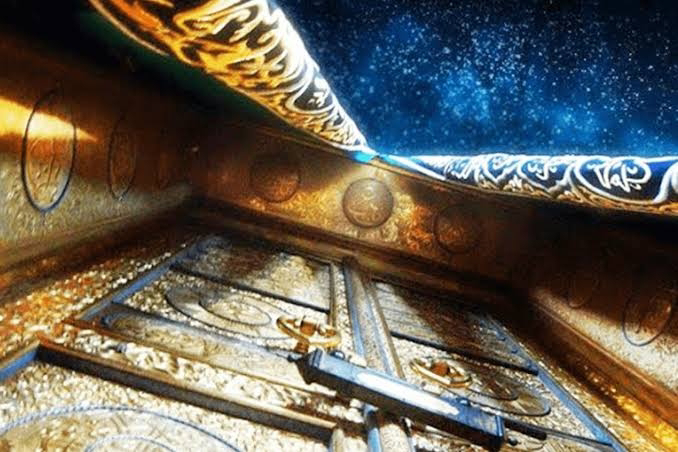
Kaʿbah (الكعبة)
cube-house; the cube-shaped building, i.e., in Mecca toward which Muslims pray.
Kāfir (كافر kāfir singular .; كفّار kuffār pl.)
from the word kafara, "to hide." Those who deliberately hide the truth; unbelievers, truth-concealers; one who is ungrateful. Plural: Kāfirūn. Extreme care ought to be taken with this word, as it is was (and is) occasionally misused as an offensive term for black people by white South Africans.
Kalām (علم الكلام) (ʿilm al-kalām)
Literally, "words" or "speech," and referring to oration. The name applied to the discipline of philosophy and theology concerned specifically with the nature of faith, determinism and freedom, and the nature of the divine attributes.
Khair (خير)
Every kind of good
Khalīfah (خليفة)
Caliph, more generally, one performing the duties of khilafa.
Khalīl (خليل)
devoted friend
Khalq (خلق)
Creation – the act of measuring; determining, estimating and calculating. Khalq is the noun form of the verb khalaqa (see bara, sawwara).
Al-khāliq (الخالق)
The Creator, Allah.
Khamr (خمر)
Intoxicant, wine.
Khatīb (خطيب)
the speaker at the Friday Muslim prayer, or Jumu'ah prayer.
Khatm (ختم)
Complete recitation of the Qur'an.
Kharāj (خراج)
a land tax.
Khayr
goodness. See birr (righteousness) See qist (equity) See 'adl (equilibrium and justice) See haqq (truth and right) See ma'ruf (known and approved) See taqwa (piety.)
khilāf (خلاف)
Controversy, dispute, discord.
Khilāfah (خلافة)
Man's trusteeship and stewardship of Earth; Most basic theory of the Caliphate; Flora and fauna as sacred trust; Accountability to; God for harms to nature, failure to actively care and maintain. Three specific ways in which khalifa is manifested in Muslim practice are the creation of haram to protect water, hima to protect other species (including those useful to man), and by resisting infidel domination over Muslim lands, in jihad.
al-khulafāʾ ar-rāshidūn (الخلفاء الراشدون)
four first caliphs, believed by most Muslims to be most righteous rulers in history
Khimār (خمار) (pl. khumur (خُمُر) or ʾakhmirah (أخْمِرة))
headcovering (Q. 24:31).
Khitān (ختان)
Male circumcision.
Khuluq (خُلُق) pl. ʾakhlāq (أخلاق)
ethics
Khushūʿ (خشوع)
humility, devotion, concentration (especially in prayer).
Khuṭbah (خطبة)
the sermon at Jumu'ah prayer.
Kibr (كِبْر)
pride, arrogance
Kibar (كِبَر)
old age
Kitāb (كتاب)
book; The Qurʾān is often referred to as "Al-Kitāb" (The Book).
Kufr (كفر)
Unbelief, infidelity, blasphemy; also hubris. See Kafir and Kuffar
Kufr al-ḥukm (كفر الحكم)
Disbelief from judgment.
Kufr al-ʿInād (كفر العناد)
Disbelief out of stubbornness
Kufr al-ʾInkār (كفر الإنكار)
Disbelief out of arrogance and pride.
Kufr al-ʾIstibdāl (كفر الإستبدال)
Disbelief because of trying to substitute Allaah's Laws.
Kufr al-ʾIstiḥlāl (كفر الإستحلال)
Disbelief out of trying to make HARAM into HALAL.
Kufrul-Istihzaha
Disbelief due to mockery and derision
Kufr al-jahl (كفر الجهل)
Disbelief from not being aware of or not understanding.
Kufr al-juhud (كفر الجهد)
Disbelief from obstinacy after being presented with truth.
Kufr an-Nifāq (كفر النفاق)
Disbelief out of hypocrisy.
Kufr al-ʾIʿrāḍ (كفر الإعراض)
Disbelief due to avoidance.
Kun (كن)
God's command to the universe, 'Be!' is sufficient to create it.
L
Lā ilāha illā-llāh (لَا إِلٰهَ إِلَّا الله)
"There is no god but God." The most important expression in Islam. It is part of the first pillar of Islam. According to Islam, this is the message of all the Prophets, such as Abraham, Moses, Jesus and Muhammad.
Labbayka -llāhumma (لبّيكَ اللّهُم)
God, I obey you (said during hajj)
Laghw (لغو)
Dirty, false, evil vain talk
Laʿnah (لعنة)
Curse, execration, or imprecation.
Laylat al-Qadr (ليلة القدر)
the Night of Power, towards the end of Ramadan, when Muhammad received the first revelation of the Qur'an.
M
Madrasah (مدرسة)
school, university
Maghrib (مغرب)
the fourth daily salat prayer
Mahdi (مهدي)
"a guide". More specifically al-Mahdi (the guide) is a figure who will appear with Prophet Jesus before the end of time, when God allows it, to bring world peace, order and justice, after it has been overcome with injustice and aggression.
Mahdūr ad-damm (مهدور الدم)
he whose blood must be wasted
Maḥram (محرم)
a relative of the opposite gender usually described as being "within the forbidden limits"; a better description is "within the protected limits". means relatives who one can appear before without observing hijab and who one cannot marry.
Makrūh (مكروه)
Means "detested", though not haraam (forbidden); something that is disliked or offensive. If a person commits the Makruh, he does not accumulate ithim but avoiding the Makhruh is rewarded with thawab.
Malāʾikah (ملائكة)
angels (Singular. Malak). It was one of these mala'ika, Jibril (Gabriel) who delivered Allah's revelation to Muhammad.
Mā malakat ʾaymānukum (ما ملكت أيمانكم)
one's rightful spouse (literally: what your right hands possess)
Manāsik (مناسك)
the rules specifying the requirements of a legally valid hajj
Mandūb (مندوب)
commendable or recommended. Failure to do it would not be a sin. (See halal mustahabb)
Manhaj (منهج)
the methodology by which truth is reached
Mansūkh (منسوخ)
That which is abrogated. The doctrine of al-Nasikh wal-Mansukh (abrogation) of certain parts of the Qur'anic revelation by others. The principle is mentioned in the Qur'an (2:106) see naskh
Manzil (منزل)
one of seven equal parts of the Qur'an
Maʿrūf (معروف)
consensus of the community
Maqāṣid (مقاصد) singular. maqṣid (مقصد)
goals or purposes; such as the purposes of Islamic law
Maṣāliḥ (مصالح) singular. maṣlaḥah (مصلحة)
public interests
Mā shāʾa -llāh (ما شاء الله)
Allah has willed it
Masīḥ (مسيح)
the (Biblical) Messiah, Jesus Christ
Masjid (مسجد) pl. masājid, مساجد
place of prayer; mosque
Masjid al-Ḥarām (المسجد الحرام)
the mosque surrounding the Kaʿbah in Mecca.
Madhhab (مذهب)
pl. Madhāhib (مذاهب) school of religious jurisprudence, school of thought;Mawali or mawala (موالي): Non-Arab Muslims
Mawlā [mawlan (مولى)] [pl. mawālin (موالٍ)]
protector or master
Mawlānā (مولانا)
an Arabic word literally meaning "our lord" or "our master". It is used mostly as a title preceding the name of a respected religious leader, in particular graduates of religious institutions. The term is sometimes used to refer to Rumi.
Maulvi (مولوی)
an honorific Islamic religious title often, but not exclusively, given to Muslim religious scholars or Ulema preceding their names. Maulvi generally means any religious cleric or teacher
Mecca (مكّة Makkah)
the holiest city where the Ka'abah was built
Medina (مدينة Madīnah)
"city"; Medinat-un-Nabi means "the City of the Prophet." See Hijra (Islam)
Mi'ād (معاد)
the Resurrection; God will resurrect all of humankind to be judged. Shi'as regard this as the fifth Pillar of Islam.
Miḥrāb (محراب)
a niche in the wall of all mosques, indicating the direction of prayer
Millah (مِلَّة)
In Arabic, millah means "religion," but it has only been used to refer to religions other than Islam, which is din.
Minaret (منارة)
a tower built onto a mosque from the top of which the call to prayer is made
Minbar (منبر)
a raised pulpit in the mosque where the Imam stands to deliver sermons
Minhaj (منهج)
methodology, e.g. methods, rules, system, procedures.
Mīqāt (ميقات )
intended place
Miʿrāj (المعراج)
the Ascension to the Seven Heavens during the Night Journey See also: isra
Muʾadhdhin (مأذن)
a person who performs the call to prayer
Muʿāhadāt (معاهدات)
treaties
Muʿawwidhatayn (المعوذتين)
suras Al-Falaq and an-Nas, the "Surahs of refuge", should be said to relieve suffering (also protect from Black Magic)
Mubāḥ (مباح)
literally permissible; neither forbidden nor commended.
Mubaligh (مبلغ)
person who recites Qur'an
Muftī (مفتى)
an Islamic scholar who is an interpreter or expounder of Islamic law (Sharia), capable of issuing fataawa (plural of "fatwa").
Muḥajabah (محجبة)
woman who wears hijab (polite form of hijabi).
Muḥāribah (محاربة)
a person who wages war against God
Muḥammadun rasūl allāh (محمدٌ رسول الله)
"Muhammad is the messenger of God." This statement is the second part of the first pillar of Islam. This is the second most important statement in Islam.
Mufsid (مفسد)
evil-doer a person who wages jihad (war) not in accordance with the Qur'an. Plural mufsideen.
Muḥsin (محسن)
a person who performs good deed. Plural muhsineen. Opposite of Mufsidun.
Muhājirūn (مهاجرون)
The first Muslims that accompanied Muhammad when he traveled to Medina.
Muharṭiq (مهرطق)
heretic.
Mujāhid (مجاهد)
a fighter for Islam. Plural Mujāhidūn ().
Mujtahid (مجتهد)
a scholar who uses reason for the purpose of forming an opinion or making a ruling on a religious issue. Plural: Mujtahidun.
Mullah (ملا)
are Islamic clergy. Ideally, they should have studied the Qur'an, Islamic traditions (hadith), and Islamic law (fiqh).
Muʾmin (مؤمن)
A Muslim who observes the commandments of the Qur'an.
Munāfiq (منافق)
hypocrite. Plural: Munafiqun
Muntaqabah (منتقبة) pl. muntaqabāt (منتقبات)
woman who wears niqab
Murābaḥah ( مرابحة)
a type of sharia-compliant mortgage (see Ijara)
Murshid (مرشد)
a Sufi teacher
Murtadd (مرتد) female apostate is Murtaddah
apostate (see irtidad see mahdur ad-damm.)
Muṣḥaf (مصحف)
a copy, codex or redaction of the Qur'an.
Mushrik (مشرك)(pl. mushrikūn) (مشركون)
One who associates others in worship with God; a polytheist.
Muslim (مسلم)
a follower of the religion of Islam. One who submits their will to Allah (God)
Mustaḥabb (مستحبّ)
commendable or recommended.
Mutʿah (متعة)
literally enjoyment; compensation paid to a divorced woman; when used in the phrase nikāḥ al-mutʿah (نكاح المتعة) it refers to temporary marriage.
Mutashābihāt (متشابهات)
equivocal verses of Qur'an.
Mutaʿaṣṣibūn (متعصّبون)
fanatics
Muṭawwaʿ (مطوّع) plural muṭawwaʿūn (مطوّعون)
religious man in certain regions, a volunteer teacher
Muṭawwaʿūn (مطوّعون) (مطوعين) (singular muṭawwaʿ)
Religious police.
Mutawātir (متواتر)
"agreed upon"—used to describe hadith that were narrated by many witnesses through different narration chains (isnads) leading back to Muhammad
N
Nabī (نبي)
literally, prophets. In the Islamic context, a Nabi is a man sent by God to give guidance to man, but not given scripture. The Prophet Abraham was a Nabi. This is in contrast to Rasul, or Messenger. Plural: Anbiya. See: Rasul.
Nafs (النفس)
soul, the lower self, the ego/id
Nāfilah (نافلة)
An optional, supererogatory practice of worship, in contrast to farida
Najāsah (نجاسة)
Impurity
Nājis (ناجس)
impure
Nakīr and Munkar (نكير و منكر)
two malaikah who test the faith of the dead in their graves
Naṣīḥa (نصيحة)
advice
Naskh (نسخ)
The doctrine of al-Nasikh wal-Mansukh (abrogation) of certain parts of the Qur'anic revelation by others. The principle is mentioned in the Qur'an (2:106) see mansukh.
Naṣṣ (نصّ)
a known, clear legal injunction
Nifās (نفاس)
the bleeding after childbirth (see Haid)
Nifāq (نفاق)
falsehood; dishonesty; hypocrisy
Nikāḥ (النكاح)
the matrimonial contract between a bride and bridegroom within Islamic marriage
Niqāb (نقاب)
veil covering the face
Niyyah (نية)
intention
Nubūwwah (نبوّة)
prophethood. Shi'as regard this as the third Pillar of Islam.
Nukrah
a great munkar – prohibited, evil, dreadful thing.
Nūr (نور)
light. Muslims believe angels were created from light and jinn from fire.
P
P.B.U.H.
an acronym that stands for "peace be upon him" a blessing which is affixed to Muhammad's name whenever it is written. In some circles and English writings, Sufis regard PBUH to signify "Peace and Blessings Upon Him" (the Rasul or Messenger of Allah). These are the primary English explications of the P.B.U.H. acronym. The Arabic version is S.A.W.
Q
Qadhf (قذف)
false imputation of unchastity specifically punished by sharia.
Qadar (قدر)
predestination.
Qāḍī (قاضي)
judge of Islamic Law
Qalb (قلب)
Heart
Qiblah (قبلة)
the direction Muslims face during prayer
Qitāl fī sabīl allāh ( قتال في سبيل الله )
fight in the cause of Allah.
Qiyāmah (قيامة)
resurrection; return of the dead for the Day of Judgment
Qiṣāṣ (قصاص)
equitable retribution – a fine for murder if the heirs forgive the perpetrator. (See hudud, tazeer)
Qiyām (قيام)
to stand, a position of salat prayer
Qiyās (القياس)
analogy – foundation of legal reasoning and thus fiqh
Qudsī (قدسي)
classification of a hadith that are believed to be narrated by Muhammad from God.
Qurbah (قربة)
closeness to God. Term is associated with Sufism.
Qurʾān (القرآن)
The word Qur'an means recitation. Muslims believe the Qur'an (Koran) to be the literal word of God and the culmination of God's revelation to mankind, revealed to prophet Muhammad in the year AD 610 in the cave Hira by the angel Jibril.
R
Rabb (ربّ)
Lord, Sustainer, Cherisher, Master.
R. A., raḍiya -llāhu ʿanhu (رضي الله عنه)
May Allah be pleased with him. Variants are ʿanhā (her) and ʿanhum (them).
Raḥmān (رحمن)
Merciful; Ar-Rahman (الرحمن) means "The Most Merciful"
Raḥīm (رحيم)
compassionate; Ar-Rahim (الرحيم) means "The Most Compassionate" as in the Basmala
Raḥimaḥullāh (رحمه الله)
May Allah have mercy on him. Usually used after mentioning the companions of Muhammad
Raḥmatullāh (رحمة الله)
Mercy of Allah. Sometimes used as an alternative to Rahimahullah after mentioning a righteous person by saying, rahmatullahi ʿilayh (رحمة الله علیه): Mercy of Allah be upon him/her
Rajm (رجم)
the practice of stoning
Rakʿah (ركعة)
one unit of Islamic prayer, or Salat. Each daily prayer is made up of a different number of raka'ah.
Ramaḍān (رمضان)
month of fasting when the Qur'an was first revealed
Rāshidūn (راشدون)
Sunnis consider the first four caliphs as the "orthodox" or "rightly guided" caliphs. They were Abu Bakr, 'Umar, 'Uthman and 'Ali.
Rasūl (رسول)
messenger; Unlike prophets (Nabi), messengers are given scripture. Moses (as), David (as), Jesus (as) and Mohammed (as) are considered messengers. All messengers are considered prophets, but not all prophets are given scripture. See: Nabi.
Riba (ربا)
interest, the charging and paying of which is forbidden by the Qur'an
Ribat
Guarding Muslims from infidels
Riddah (ردة)
apostasy, in which a person abandons Islam for another faith or no faith at all.
Risālah (رِسَالَة)
literally, message or letter. Used both in common parlance for mail correspondences, and in religious context as divine message.
Rūḥ (روح)
spirit; the divine breath which God blew into the clay of Adam.
Rukn (ركن) plural ʾArkān (أركان)
means what is inevitable. One of the five pillars of Islam. (See fard, wajib)
Rukūʿ (ركوع)
the bowing performed during salat.
S
Sabb (سَبّ)
blasphemy: insulting God (sabb Allah) or Muhammad (sabb ar-rasūl or sabb an-nabī).
Ṣabr (صبر)
patience, endurance, self-restraint
Ṣadaqah (صدقة)
charity; voluntary alms above the amount for zakat.
Ṣaḥābah (الصحابة) (sing. Ṣāḥib) (صاحب)
companions of Muhammad. A list of the best-known Companions can be found at List of companions of Muhammad.
Ṣāḥīḥ (صحيح)
"Sound in isnad." A technical attribute applied to the "isnad" of a hadith.
Sakīnah (سكينة)
divine "tranquility" or "peace" which descends upon a person when the Qur'an is recited.
Salaf (السلف الصالح)
(righteous) predecessors/ancestors. In Islam, Salaf is generally used to refer to the first three generations of Muslims. Anyone who died after this is one of the khalaf or "latter-day Muslims".
Ṣalāt (صلاة) sala(t)
any one of the daily five obligatory prayers. Sunnis regard this as the second Pillar of Islam
Salaat al-Istikharah
Prayer for guidance is done in conjunction with two rakaahs of supererogatory prayer.
Salām (سلام)
peace (see sulh)
Sallallahu alayhi wa sallam (صلى الله عليه و سلم)
"May Allah bless him and grant him peace." The expression should be used after stating Prophet Muhammad's name. See abbreviation: S.A.W. or S.A.W.S. also P.B.U.H.
Ṣamad (صمد)
eternal, absolute; Muslims believe Allah is "The Eternal."
Salsabīl (سلسبيل)
a river in heaven (al-firdaus)
Sawa
awakening, revival
S.A.W. (or S.A.W.S.)
Sallallahu alayhi wa sallam (صلى الله عليه و سلم). See P.B.U.H.
Ṣawm (صَوم)
fasting during the month of Ramadhan. The word sawm is derived from Syriac sawmo.
Sayyid (سيّد)
(in everyday usage, equivalent to 'Mr.') a descendant of a relative of Muhammad, usually via Husayn.
Sema
refer to some of the ceremonies used by various sufi orders
Shahādah (الشهادة)
The testimony of faith: La ilaha illa Allah. Muhammadun rasulullah. ("There is no god but Allah. Muhammad is the messenger of Allah."). Sunnis regard this as the first Pillar of Islam. Also may be used as a synonym for the term Istish'hād meaning martyrdom.
Shahīd (شهيد) pl. shuhadāʾ (شهداء)
witness, martyr. Usually refers to a person killed whilst fighting in "jihād fī sabīl Allāh" (jihad for the sake of Allah). Often used in modern times for deaths in a political cause (including victims of soldiers, deaths in battle, et cetera) which are viewed by some Muslims as a spiritual cause not just a political cause. But the real meaning of Jihad is to defend Islam in any way; thus, it could be in an economic way or could refer to fighting for the rights of the oppressed or the believers; most often it refers to mastering one's own inclination for evil and shirk.
Shaykh (شيخ)
a spiritual master, Muslim clergy
Sharīʿah (الشريعة)
"the path to a watering hole"; the eternal ethical code and moral code based on the Qur'an and Sunnah; basis of fiqh
Sharīf (شريف)
a title bestowed upon the descendants of Muhammad through Hasan, son of his daughter Fatima Zahra and son-in-law Ali ibn Abi Talib
Shayṭān (شيطان)
Satan, the Devil; also known as Iblis
Shīʿah (الشيعة)
A branch of Islam who believe in Imam Ali and his sons (Hassan and Hussayn) as custodians of Islam by the will of the Prophet Mohammed.
Shirk (شرك)
idolatry; polytheism; the sin of believing in any divinity except God and of associating other gods with God.
Shūrā (شورى)
consultation
Majlis ash-shūrā (مجلس الشورى)
advisory council in a Caliphate
Sidrat al-Muntaha (سدرة المنتهى )
a lotus tree that marks the end of the seventh heaven, the boundary where no creation can pass.
Sīrah (السيرة)
life or biography of the Prophet Muhammad; his moral example – with hadith this comprises the sunnah
aṣ-Ṣirāṭ al-mustaqīm ( الصراط المستقيم)
the Straight Path
Subah Sadiq
true dawn
Subḥānahu wa taʿāla (سبحانه و تعالى)(abbreviated S.W.T.)
expression used following written name or vocalization of Allah in Arabic meaning highly praised and glorified is He.
Subḥān allāh (سبحان الله)
"Glory to God" – this phrase is often used when praising God or exclaiming awe at His attributes, bounties, or creation.
Ṣūfī (صوفي)
a Muslim mystic; See: Sufism (tasawwuf).
Suḥūr (سحور)
the meal eaten by fasting Muslims just before dawn.
Sujūd(سجود)
kneeling down, a position of salat.
Ṣukūk (صكوك)
bond that generates revenue from sales, profits, or leases rather than interest.
Ṣulḥ (صلح)
A condition of peace, an armistice, or treaty. It is related to the word muṣālaḥah (مصالحة) which means peace, conciliation, or compromise.
Sunnah (السنّة) or sunnat an-Nabī (سنّة النبي)
the "path" or "example" of the Prophet Muhammad, i.e., what the Prophet did or said or agreed to during his life. He is considered by Muslims to be the best human moral example, the best man to follow.
Sunni (سنّي)
the largest denomination of Islam. The word Sunni comes from the word Sunnah (Arabic: سنة), which means the words and actions or example of the Islamic Prophet Muhammad.
Sūrah (سورة)
chapter; the Qur'an is composed of 114 suras
T
Taʿāla (تعالى)
Almighty
Tābiʿīn (تابعون|تابعين)
followers of the Ṣaḥābah
Tafsīr (تفسير)
exegesis, particularly such commentary on the Qur'an
Ṭāghūt (طاغوت) (taghout)
originally Aramaic, meaning "false god"; also tyranny.
Tahajjud (تهجُّد)
optional (supererogatory), late-night (pre-dawn) prayer
Ṭahārah (طهارة)
purification from ritual impurities by means of wudu or ghusl
Ṭāhir (طاهر)
pure, ritually clean
Tahlīl (تهليل)
Uttering the formula of faith: "Lā ilāha illā -llāh", (i.e. "There is no god but God")
Taḥnīk (تحنيك)
'Tahnik' is an Islamic ceremony of touching the lips of a newborn baby with honey, sweet juice or pressed dates.
Taḥrīf (تحريف)
corruption, forgery. Muslims believe the Bible Scriptures were corrupted but the Qur'an is in its original form.
Tajdīd (تجديد)
to purify and reform society in order to move it toward greater equity and justice, literally meaning to make new in present tense
Tajdīf (تجديف)
blasphemy
Tajwīd (تجويد)
a special manner of reciting the Qur'an according to prescribed rules of pronunciation and intonation.
Takāful ( التكتاقل)
Based on sharia Islamic law, it is a form of mutual insurance. See retakaful.
Takbīr (تكبير)
a proclamation of the greatness of Allah; a Muslim invocation.
Takfīr (تكفير)
declaration of individual or group of previously considered Muslim as kaffir.
Takhrīj (تخريج الحديث )
The science of hadith extraction and authentication, including validation of chains of transmitters of a hadith by this science's scholars and grading hadith validity.
Takweeni (تکوینیة)
Ontological
Ṭalāq (الطلاق)
divorce
Taqdīr (تقدير)
fate, predestination
Taqlīd (تقليد)
to follow the scholarly opinion of one of the four Imams of Islamic Jurisprudence.
Taqīyyah (تقيّة)
a principle that one is allowed to hide his true beliefs in certain circumstances or to lie to save himself of being killed or harmed or to further the cause of Islam.
Taqwa (تقوى)
righteousness; goodness; Piety: Taqwa is taken from the verbe Ittaqua, which means Avoiding, Fearing the punishment from Allah for committing sins. It is piety obtained by fearing the punishment of Allah.
Tarāwīḥ (تراويح)
extra prayers in Ramadan after the Isha prayer.
Tarkīb (تَرْكِيب)
the study of Arabic grammar issued from the Qur'an
Ṭarīqah (طريقة)
a Muslim religious order, particularly a Sufi order
Tartīl (ترتيل)
slow, meditative recitation of the Qur'an
Taṣawwuf (التصوّف) or Sufism
Tasbīḥ (تسبيح)
Uttering the formula: "Subhan Allah", i.e. (Glory be to Allah)
Tashkīl (تشكيل)
vocalization of Arabic text by means of diacritical marks. An integral part of the Arabic writing system. Literally meaning to form or arrange
Taslīm (تسليم)
salutation at the end of prayer
Taṭbīr (تطبير)
Shia Ashura ceremony of self-flagellation by hitting head with sword.
Tawakkul (توکل)
total reliance on Allah.
Tawassul (توسُّل)
asking Allah Almighty through the medium and intercession of another person.
Ṭawāf (طواف)
circumambulating the Ka'bah during Hajj.
Tawfiq (توفیق)
Divine help in getting to the purpose to one who deserves.
Tawbah (توبة)
repentance
Tawḥīd (توحيد)
monotheism; affirmation of the Oneness of Allah. Muslims regard this as the first part of the Pillar of Islam, the second part is accepting Muhammad as rasoul (messenger). The opposite of Tawheed is shirk
Tawrāh (توراة)
the Torah as revealed to Musa (Moses.)
Ṭayyib (طيِّب)
all that is good as regards things, deeds, beliefs, persons, foods, etc. Means "pure." The Shahaddath is tayyib.
Taʿzīr (تعزير)
Discretionary punishment – a sentence or punishment whose measure is not fixed by the Shari'ah.
Tazkīyah (تزكية)
Purification of the Soul.
Thawāb (ثواب)
Reward for good deeds that is tallied on qiyamah (judgment day.) Opposite of ithim.
Tilāwah (تلاوة)
recitation of passages of the Qur'an.
Ṭumaʾnīnah (طمأنينة)
state of motionlessness, calm
U
ʿUbūdīyah (عبودية)
worship
ʾUḍḥīyah (أضحية)
sacrifice
ʿUlamāʾ (علماء) or ulema
the leaders of Islamic society, including teachers, Imams and judges. Singular alim.
ʾUmmah (الاُمّة) or umma
(literally 'nation') the global community of all Muslim believers
ʿUmrah (عمرة)
the lesser pilgrimage performed in Mecca. Unlike hajj, ʿumrah can be performed throughout the year.
ʿUqūbah (عقوبة)
the branch of sharia that deals with punishment. (See hudud, qisas, tazeer)
ʿUrf (عرف)
custom of a given society, leading to change in the fiqh
ʾUṣūl (أُصول) (singular ʾaṣl)(أصل)
Principles, origins.
ʾUṣūl al-Fiqh (أصول الفقه)
the study of the origins and practice of Islamic jurisprudence (fiqh)
W
Wa ʿalaykum as-salām (وعليكم السلام)
Wa 'Alaykum as-Salaam!, meaning "and upon you be peace". (see As-Salamu Alaykum)
Wafāt (وفاة)
death. (Barah-wafat) Muhammad was born on the twelfth day of Rabi-ul-Awwal, the third month of the Muslim year. His death anniversary also falls on the same day, the word 'barah' standing for the twelve days of Muhammad's sickness.
Waḥdat al-wujūd (وحدة الوجود)
"unity of being". Philosophical term used by some Sufis. Related to fanaa
Waḥy (وحی)
revelation or inspiration of God to His prophets for all humankind
Wahn (وهن)
literal meaning is "weakness" or "feebleness". According to one hadith,[8] the Prophet explained it as "love of the world and dislike of death"
Wājib (واجب)
obligatory or mandatory see fard
Walī (ولي)
friend, protector, guardian, supporter, helper
Waqf (وقف)
An endowment of money or property: the return or yield is typically dedicated toward a certain end, for example, to the maintenance of the poor, a family, a village, or a mosque. Plural: awqaf
Warrāq (ورّاق)
traditional scribe, publisher, printer, notary and book copier
Wasaṭ (وسط)
the middle way, justly balanced, avoiding extremes, moderation
Wasīlah (وسيلة)
the means by which one achieves nearness to Allah (see tawassul )
Witr (وتر)
a voluntary, optional night prayer of odd numbers rakaats.
Wuḍūʾ (الوضوء)
ablution for ritual purification from minor impurities before salat (see ghusl)
Y
Yā Allāh (یا الله)
O, God!
Ya Rasūl Allāh (یا رسول الله)
O, Messenger of God!. Term used by companions when interacting with Prophet Mohammad.
Yaʾjūj wa-Maʾjūj (يأجوج ومأجوج )
Gog and Magog
Yaqīn (يقين)
certainty, that which is certain
Yarḥamuk-Allāh (يرحمك الله)
"May God have mercy on you", said when someone sneezes; the same as "(God) bless you" in English
Allāh Yarḥamuhu (الله يرحمه), fem. yarḥamuhā(يرحمها)
"May God have mercy of his/her soul", (said when someone dies)
Yawm ad-Dīn (يوم الدين)
Day of Reckoning, Awe
Yawm al-Ghaḍab (يوم الغضب)
Day of Rage, Wrath
Yawm al-Qiyāmah (يوم القيامة)
"Day of the Resurrection"; Day of Judgement
Z
Zabūr (زبور)
the Psalms revealed to King Daoud (David) عليه السلام
Zabīḥa (Dhabīḥah) (ذَبِيْحَة) see dhabiha
Islamic method of slaughtering an animal. Using a sharp knife the animal's windpipe, throat and blood vessels of the neck are severed without cutting the spinal cord to ensure that the blood is thoroughly drained before removing the head. See halal
Ẓāhir(ظاهر)
Exterior meaning
Zaidi (الزيدية)
Islamic sub-sect of Shi'ah, popularly found in Yemen, with similarities to Sunni
Zakāt (زكاة), Al-Māl
tax, alms, tithe as a Muslim duty; Sunnis regard this as the fourth Pillar of Islam. Neither charity nor derived from Islamic economics, but a religious duty and social obligation.
Zakāt al-Fiṭr (زكاة الفطر)
Charity given at the end of Ramadan.
Ẓālimūn (ظالمون)
polytheists, wrong-doers, and unjust.
Zandaqa (زندقة)
heresy
Zināʾ (زناء, زنى)
sexual activity outside of marriage (covering the English words adultery and fornication)
Zindīq (زنديق)
heretic, atheist
Zulfiqar (Dhu-l-fiqār) (ذو الفقار)
Sword of Ali رضي الله عنه, presented to him by Muhammad صلى الله عليه وسلم
Notes:
Arabic words are created from three-letter "roots" which convey a basic idea. For example, k-t-b conveys the idea of writing. Addition of other letters before, between, and after the root letters produces many associated words: not only "write" but also "book", "office", "library", and "author". The abstract consonantal root for Islam is s-l-m.
Some Islamic concepts are usually referred to in Persian or Turkic. Those are typically of later origin than the concepts listed here; for completeness it may be best to list Persian terms and those unique to Shi'a on their own page, likewise Turkic terms and those unique to the Ottoman period on their own page, as these are culturally very distinct.
References:
^ Sūrat al-ʾAnfāl corpus.quran.com.
^ First line in Qurʾān.
^ USC-MSA Compendium of Muslim Texts.
^ Bakri H. S. Al-Azzam. Certain Terms Relating to Islamic Observances: Their Meanings with Reference to Three Translations of the Qur’an and a Translation of Hadith. Universal-Publishers. p. 247. ISBN 978-1-59942-668-6.
^ a b c "The Islamic glossary: An explanation of names, terms and Symbols". Retrieved 2007-12-06.
^ Habib Ali Jifri on Shaykh al-Buti Marifah forum.
^ Quintan Wiktorowicz. Radical Islam rising: Muslim extremism in the West. Rowman & Littlefield, 2005. ISBN 0-7425-3641-6, ISBN 978-0-7425-3641-8. Pg 18.
^ hadith about wahn searchtruth.com.
Further reading:
Suzanne Haneef, What Everyone Should Know about Islam and Muslims, (Kazi Publications, Chicago), popular introduction
Muzaffar Haleem, The Sun is Rising In the West, (Amana Publications, Beltsville, MD 1999).
Ziauddin Sardar, Muhammad for Beginners, Icon Books, 1994, some sloppiness, from very modern Sufi point of view.
Hans Wehr, A Dictionary of Modern Written Arabic (Spoken Language Services, Ithaca, NY, 1976). ed. J. Milton Cowan. ISBN 0-87950-001-8.
Islam in the World by Malise Ruthven (Gantra Publications, 2006) ISBN 1-86207-906-4.